Who I Am
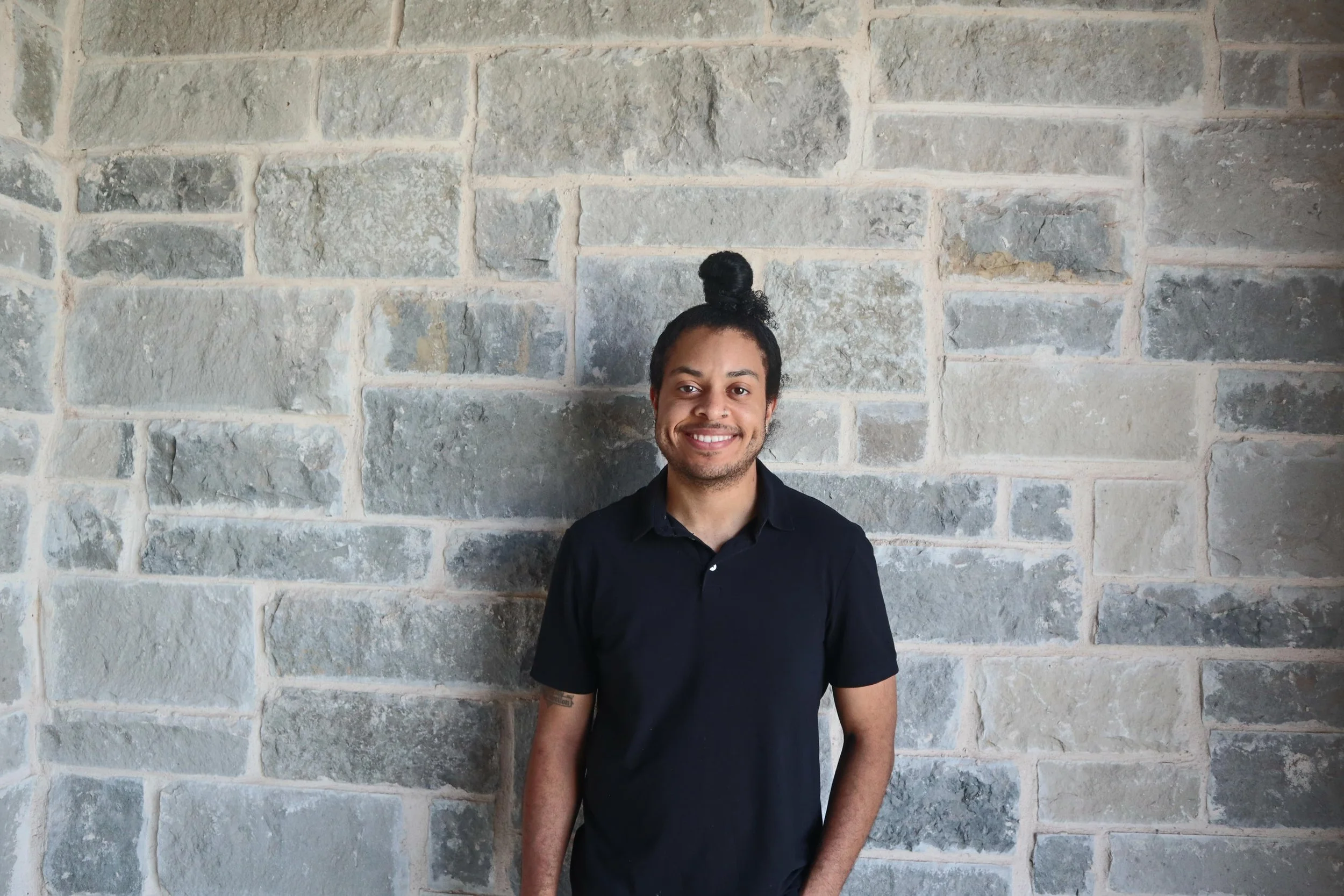
I'm a copywriter who's fascinated by people.
I've always been interested in what makes people tick.
Not in the abstract, textbook sense.
I'm fascinated by the little things people do, say, believe, avoid, and obsess over—and especially by the reasons underneath them.
Why does someone say they're "just looking around" when they're clearly interested?
Why does one sentence make someone feel understood while another makes them immediately tune out?
Why can two people experience the same thing and walk away with completely different interpretations?
Those questions are a big part of why I became a copywriter.
Because the more I learned about writing copy, the more I realized that good copy isn't really about writing.
It's about understanding.
Understanding the person you're talking to.
Understanding what matters to them.
Understanding the problem they're trying to solve—and sometimes the deeper problem underneath it.
Then finding the words that connect what they want with what your business can actually offer them.
That's the kind of copywriter I strive to be.
From psychology to copywriting
After receiving a bachelor’s degree in psychology, I wondered how to bridge the gap between my love of psychology and my love for writing.
Copywriting seemed like a match made in heaven because I've always been fascinated by the question:
Why do people do what they do?
Why does one message make someone stop and think while another gets ignored?
Why can two people hear the exact same words and walk away with completely different reactions?
Why do people sometimes say they want one thing while their behavior tells a different story?
Those questions naturally followed me into copywriting.
Because at its core, effective copy is about understanding people.
Psychology doesn't replace good copywriting.
It helps me ask better questions before I start writing it.
It makes me curious about the person behind the click.
The person behind the purchase.
The person behind the objection.
And the person behind the words they're using to describe their problem.
What I believe about persuasion
I don't believe effective copy has to manipulate people into buying something they don't want.
I believe the best persuasion happens when the right message helps the right person recognize that something is genuinely relevant to them.
That means I'm not interested in manufacturing fear for the sake of a conversion.
I'm interested in understanding the fear that's already there.
I'm not interested in inventing desires.
I'm interested in uncovering the desires your audience already has.
And I'm not interested in making your brand sound impressive just for the sake of sounding impressive.
I'm interested in making it matter to the person reading it.
Because there's a difference between getting someone's attention and actually connecting with them.
I care about the second one.
A few things I've learned from writing for real people
People don't want to feel marketed to.
They want to feel understood.
People don't buy features in isolation.
They buy what those features mean for their lives.
People don't always describe their problems accurately.
Sometimes the copywriter has to look deeper.
And people can tell when you're talking at them instead of talking with them.
That's why I care so much about voice, empathy, research, and customer language.
Because persuasion doesn't have to feel manipulative.
Sometimes the most persuasive thing you can do is simply put into words what someone has been feeling all along.
The writer behind the copy
I'm not the loudest person in the room.
I've always been more comfortable observing than performing.
I'd rather listen to someone explain their story than spend twenty minutes talking about myself.
I'd rather disappear down a research rabbit hole than make assumptions.
And I'd rather spend an afternoon trying to understand why something works than simply copy what everyone else is doing.
I think that's served me well as a copywriter.
Because good copy requires a certain amount of empathy.
You have to temporarily step outside of your own perspective and see the world through someone else's eyes.
You have to care enough to understand what they're actually saying.
And sometimes, you have to notice what they're not saying.
That's the part of copywriting I find most interesting.
So why copywriting?
Because it sits at the intersection of everything I'm naturally drawn to.
Psychology.
Understanding people and the forces behind their decisions.
Research.
Looking for patterns and insights that aren't immediately obvious.
Writing.
Turning those insights into language that people can actually feel and understand.
Business.
Connecting that message to an offer that genuinely solves a problem.
And ultimately:
Connection.
Helping a business communicate in a way that makes the person on the other side of the screen feel seen.
That's what keeps me interested in this work.
Not simply finding clever words.
Finding the right words for the right person at the right moment.
What you can expect from me
If we work together, I'll bring more than a blank document and a deadline.
I'll bring curiosity.
I'll ask questions.
I'll research.
I'll challenge assumptions when something doesn't add up.
I'll pay attention to how your audience actually talks—not just how a marketing team thinks they talk.
And I'll care about the difference between copy that technically communicates an offer and copy that makes someone stop and think:
"That's exactly how I feel."
Because that's where connection begins.
And when connection is paired with a strong offer, clear messaging, and sound direct-response principles, that's where copy can start doing its job.
How I approach the work
I'm naturally curious.
So when I'm working on a project, I'm rarely satisfied with the first obvious answer.
If the audience says they want "more freedom," I want to understand what freedom actually means to them.
If they say they want to "lose weight," I want to understand what they believe will change when they do.
If they say they're frustrated with a problem, I want to know what that frustration is costing them—emotionally, practically, or socially.
And if a brand tells me their product is "high quality," I want to know:
What does that actually mean to the customer?
That's where research comes in.
I like digging through customer language, reviews, testimonials, comments, conversations, existing marketing, and whatever else can help me understand the audience more clearly.
Then I look for the patterns.
The recurring frustrations.
The language they naturally use.
The objections.
The desires.
The emotional drivers.
The things they care about that the business may not even realize are important.
From there, the writing becomes much more intentional.
Let's make your message mean something.
If you're looking for a copywriter who cares about what your business wants to say, what your audience needs to hear, and the space between the two, I'd love to hear what you're working on.